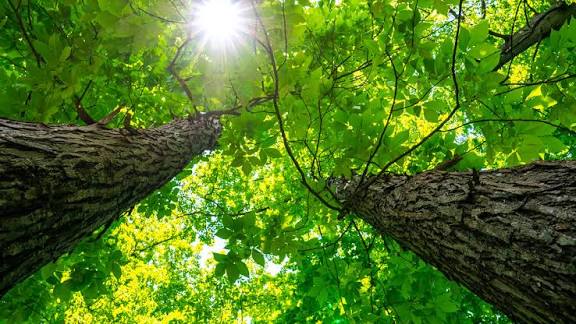
Trees are an essential part of a healthy environment. They provide shade, improve air quality, reduce soil erosion, and make outdoor spaces more attractive. However, keeping trees healthy requires proper maintenance throughout the year. Seasonal tree care practices help protect trees from environmental stress, diseases, and structural damage.
Understanding Seasonal Tree Requirements
Every season brings different challenges for trees. Temperature changes, rainfall, sunlight, and soil moisture can influence their growth. Understanding these seasonal changes allows property owners to provide suitable care at the right time.
Regular observation is important because early identification of problems can prevent long-term damage.
Spring Tree Care
Spring is an important period for tree development. New leaves and branches begin to grow, making it a suitable time to inspect trees for winter damage.
Remove fallen branches and check for damaged areas. Monitor new growth for unusual discolouration or signs of disease. Applying suitable organic mulch can also improve soil moisture retention.
Summer Tree Protection
During summer, high temperatures and limited rainfall can place trees under stress. Young trees are particularly vulnerable to moisture shortages.
Water trees deeply when necessary, especially during extended dry periods. Protect the root area with organic mulch and monitor foliage for signs of dehydration or pest activity.
Autumn Maintenance
Autumn is an excellent opportunity to prepare trees for colder weather. Inspect branches for damage and remove dead or diseased growth where appropriate.
Fallen leaves can be collected and composted to support healthy soil. Avoid unnecessary pruning that could interfere with the tree’s natural preparation for winter.
Winter Tree Management
Winter provides an opportunity to assess tree structure when deciduous trees have lost their leaves. Damaged branches and structural weaknesses may become easier to identify.
Professional inspections can help determine whether any maintenance is necessary. Protecting young trees from harsh weather conditions can also support their continued development.
The Value of Professional Tree Services
Professional arborists understand the maintenance requirements of different tree species. They can identify potential hazards, recommend suitable pruning schedules, and provide effective solutions for tree health problems.
Hiring experienced specialists is particularly important for large trees and work involving elevated branches.
Conclusion
Seasonal tree care is essential for maintaining strong, attractive, and healthy trees. By adjusting maintenance practices according to changing weather conditions, property owners can protect their landscapes and encourage long-term tree growth.
Article 5: Sustainable Tree Care for a Greener Environment
Trees play a significant role in protecting the natural environment. They absorb carbon dioxide, release oxygen, provide habitats for wildlife, and contribute to biodiversity. Sustainable tree care focuses on maintaining these environmental benefits while ensuring trees receive the attention they need to thrive.
What Is Sustainable Tree Care?
Sustainable tree care involves using environmentally responsible methods to maintain trees and surrounding landscapes. It focuses on protecting existing trees, reducing unnecessary waste, conserving water, and supporting natural soil health.
Rather than relying on excessive chemical treatments or unnecessary tree removal, sustainable practices encourage healthy growth through proper maintenance.
Protecting Existing Trees
Preserving mature trees is one of the most effective ways to maintain a healthy landscape. Established trees provide valuable shade, improve local air quality, and support birds and other wildlife.
Before making changes to a garden or property, consider how construction, landscaping, and excavation activities may affect nearby tree roots.
Protecting root systems is particularly important because damaged roots can affect a tree’s stability and ability to absorb nutrients.
Using Organic Soil Improvements
Healthy soil supports strong root development and provides essential nutrients. Compost and other suitable organic materials can improve soil structure and encourage beneficial microorganisms.
Organic mulch is another useful option. It helps conserve water, regulate soil temperature, and reduce weed growth.
These methods can improve growing conditions while reducing dependence on synthetic products.
Conserving Water Resources
Water conservation is an important part of sustainable landscaping. Collecting rainwater, using efficient watering methods, and selecting suitable tree species can reduce unnecessary water consumption.
Native and locally adapted trees are often better suited to regional climate and soil conditions. They may require less additional maintenance once established.
Supporting Wildlife and Biodiversity
Trees provide shelter, nesting locations, and food sources for many living organisms. Maintaining a variety of suitable tree species can encourage biodiversity.
Avoiding unnecessary pesticide use and preserving natural habitats can also help protect beneficial insects and wildlife.
Responsible Tree Pruning
Sustainable pruning focuses on maintaining natural tree structure while removing only branches that genuinely require attention.
Excessive cutting can weaken trees and create unnecessary waste. Where possible, suitable removed branches and organic material can be recycled into mulch or compost.
Conclusion
Sustainable tree care helps protect the environment while maintaining beautiful and healthy landscapes. Through responsible pruning, water conservation, organic soil management, and tree preservation, property owners can make a positive contribution to environmental protection.
Article 6: Effective Tree Care Solutions for Property Owners
Healthy trees improve the appearance, value, and environmental quality of residential and commercial properties. However, trees require regular attention to remain safe and attractive. Effective tree care solutions help property owners prevent common problems while supporting healthy growth.
Evaluate Tree Health Regularly
Regular tree assessments help identify potential issues before they become serious. Examine trunks, branches, leaves, and surrounding soil for unusual changes.
Common warning signs include cracked bark, discoloured leaves, dead branches, fungal growth, and visible pest activity.
If a tree shows signs of structural weakness, consult a qualified arborist for a professional assessment.
Maintain Proper Tree Spacing
Trees need adequate space to develop healthy roots, branches, and foliage. Planting trees too close together can create competition for sunlight, water, and nutrients.
Before planting, consider the mature height and width of the selected species. Also consider nearby buildings, underground utilities, pathways, and overhead cables.
Choosing the correct planting location can prevent future maintenance difficulties.
Improve Soil and Root Conditions
Healthy roots are essential for strong tree development. Soil compaction, poor drainage, and restricted root growth can negatively affect tree health.
Avoid parking vehicles or storing heavy materials over important root areas. Improving drainage and adding appropriate organic materials can also support better growing conditions.
Schedule Professional Pruning
Pruning helps remove damaged branches, improve tree structure, and maintain clearance around buildings and walkways.
The correct pruning approach depends on the tree species, age, and condition. Professional arborists can determine which branches should be removed and when pruning is most appropriate.
Manage Pests and Diseases
Insects and diseases can affect leaves, branches, bark, and roots. Regular monitoring helps identify infestations and infections before they become widespread.
Professional diagnosis is recommended when symptoms are unclear. Targeted treatment is generally preferable to unnecessary pesticide applications.
Plan for Long-Term Tree Maintenance
A proper maintenance schedule makes tree care easier and more effective. Property owners should plan regular inspections, appropriate watering, seasonal maintenance, and occasional professional assessments.
Keeping records of previous treatments and visible changes can also help identify developing problems.
Conclusion
Effective tree care combines regular inspections, proper planting, soil improvement, careful pruning, and responsible pest management. By following these practices, property owners can maintain attractive landscapes, reduce potential hazards, and support healthier trees for many years.
Leave a Reply