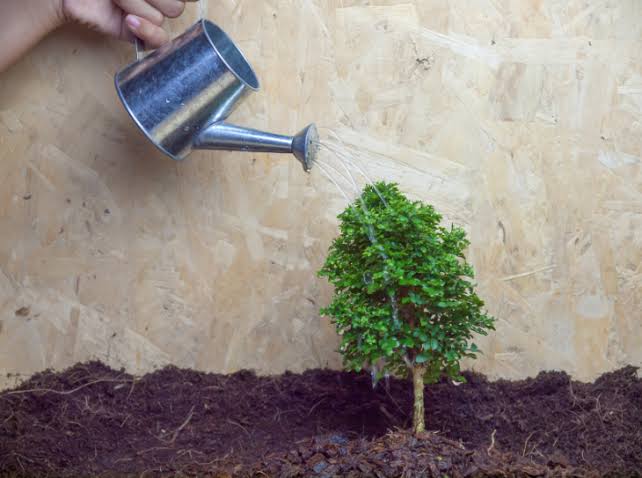
Trees play a vital role in creating a healthy and balanced environment. They provide fresh air, reduce surrounding temperatures, protect soil, and create natural habitats for birds and insects. In residential gardens, commercial properties, and public parks, healthy trees add beauty and long-term environmental value. However, maintaining their health requires consistent care, proper planning, and attention to changing environmental conditions.
Creating the Right Growing Environment
A suitable growing environment is essential for healthy tree development. Before planting, it is important to evaluate soil quality, sunlight exposure, drainage, and available space. Trees planted in unsuitable locations may experience restricted root growth, poor development, and unnecessary stress.
Selecting species that naturally adapt to local weather conditions can improve survival rates and reduce maintenance requirements. Proper planting techniques also help young trees establish strong roots.
Understanding the Importance of Root Protection
Tree roots provide stability and absorb the water and nutrients needed for growth. Although roots are mostly hidden beneath the ground, they require considerable attention.
Avoid unnecessary digging, soil compaction, and construction activities near established trees. Heavy equipment and repeated vehicle movement can damage important roots and reduce the tree’s ability to absorb moisture.
Maintaining suitable soil conditions around the root zone helps support healthy development and long-term stability.
Keeping Tree Canopies Balanced
A healthy canopy allows trees to receive sunlight and maintain normal growth. Overcrowded, damaged, or dead branches can affect the tree’s structure and appearance.
Selective pruning helps remove unhealthy growth while maintaining the natural shape of the canopy. It can also improve clearance around buildings and pathways.
Pruning requirements vary between tree species, so it is important to follow appropriate seasonal and arboricultural guidelines. Avoid unnecessary topping because it can seriously damage tree structure.
Maintaining Soil Moisture and Nutrients
Trees need a balanced supply of moisture and nutrients to remain healthy. Soil conditions should be monitored regularly, particularly during prolonged dry weather.
Organic compost can improve soil structure when additional organic matter is needed. Mulching is another effective method for conserving moisture and protecting the root zone.
Watering should be adjusted according to the tree’s age, species, soil type, and weather conditions. Proper drainage is equally important because waterlogged soil can cause root problems.
Identifying Early Signs of Tree Damage
Regular tree inspections help detect problems before they become severe. Common warning signs include cracked branches, damaged bark, fungal growth, unusual leaf discolouration, and premature leaf loss.
Storms and strong winds can also weaken branches or affect tree stability. Damaged or potentially hazardous trees should be inspected by qualified arborists who can recommend appropriate maintenance.
Making Tree Care Part of Sustainable Living
Tree maintenance is an important part of responsible environmental management. Preserving mature trees, planting suitable native species, conserving water, and protecting wildlife habitats all contribute to healthier communities.
Homeowners and businesses can make a positive difference by including tree care in their regular property maintenance plans.
Conclusion
Healthy landscapes depend on trees that receive proper attention throughout their lives. From root protection and soil improvement to canopy maintenance and regular inspections, every aspect of tree care contributes to long-term growth. Responsible maintenance not only protects individual trees but also improves the environment and creates beautiful outdoor spaces for future generations.
Leave a Reply