Category: Uncategorized

  • Smart Tree Maintenance: Simple Ways to Keep Trees Strong and Healthy

    Smart Tree Maintenance: Simple Ways to Keep Trees Strong and Healthy

    Trees are an essential part of our natural environment. They provide shade, improve air quality, support wildlife, and make outdoor spaces more attractive. From small garden trees to large forest plants, every tree contributes to a healthier ecosystem. However, trees cannot always survive and grow properly without suitable care. Regular maintenance, proper attention, and a healthy growing environment are necessary to keep trees strong throughout their lives.

    1. Understand the Needs of Different Trees

    Every tree has unique growing requirements. Some varieties need plenty of sunlight, while others grow better in shaded areas. Certain trees require frequent watering, whereas others can survive with limited moisture. Understanding the characteristics of a tree before planting helps prevent common maintenance problems. Choosing species suitable for the local climate and soil conditions is one of the best ways to encourage healthy growth.

    2. Give Trees Enough Space

    Trees need sufficient space above and below the ground. Their roots spread through the soil to collect water and nutrients, while their branches require room to develop naturally. Planting trees too close together can create competition for sunlight, water, and nutrients. Proper spacing also improves airflow and reduces the chances of certain diseases spreading between plants.

    3. Use Organic Materials

    Organic materials can make a significant difference in tree health. Compost, dried leaves, and suitable organic mulch improve soil conditions and support beneficial organisms. These materials gradually release nutrients into the soil and help maintain moisture. Organic gardening practices also reduce the need for unnecessary chemical products, creating a healthier environment for plants and surrounding wildlife.

    4. Monitor Growth and Development

    Observing a tree’s growth is an important part of maintenance. Healthy trees generally develop strong branches, fresh leaves, and stable trunks. Changes such as sudden leaf loss, weak growth, cracked bark, or unusual spots may indicate stress or disease. Keeping track of these changes allows tree owners to respond quickly and seek professional assistance when needed.

    5. Prevent Physical Damage

    Trees can be damaged by lawn equipment, construction work, animals, and careless human activities. Damaged bark can expose internal tissues and make trees more vulnerable to disease. Avoid hitting trunks with gardening tools and prevent unnecessary cutting of roots. Protective barriers can also help young trees avoid accidental damage from vehicles and animals.

    6. Encourage Biodiversity Around Trees

    A healthy outdoor environment supports more than just trees. Birds, butterflies, bees, and beneficial insects all contribute to a balanced ecosystem. Growing suitable flowering plants near trees can attract pollinators and support local wildlife. Avoid unnecessary pesticide use and maintain natural habitats wherever possible. A diverse landscape can help create a healthier and more resilient environment.

    7. Seek Professional Tree Care

    Some tree maintenance activities require specialized knowledge and equipment. Large-scale pruning, removing dangerous branches, treating serious diseases, and assessing unstable trees should be handled by trained professionals. Regular professional inspections can identify hidden problems and help prevent accidents.

    Conclusion

    Smart tree maintenance is about creating the right conditions for trees to thrive. Providing enough space, improving soil quality, preventing physical damage, and monitoring tree health can make a lasting difference. Trees deserve consistent care because they provide countless environmental benefits. By adopting responsible maintenance practices, individuals and communities can preserve natural beauty, protect biodiversity, and build a greener future.

  • Essential Tree Care Tips for Every Property

    Essential Tree Care Tips for Every Property

    vTrees are valuable features of residential and commercial properties. They improve outdoor appearance, provide natural shade, support wildlife, and contribute to a healthier environment. However, maintaining healthy trees requires consistent attention and suitable care practices. Property owners who understand basic tree maintenance can prevent common problems and encourage stronger growth.

    Understand Your Tree’s Specific Needs

    Every tree species has different requirements for sunlight, moisture, soil conditions, and available growing space. Understanding these needs helps property owners provide suitable care.

    Before planting a new tree, research its mature height, canopy width, root characteristics, and environmental preferences.

    Choosing the right species for the available space can reduce future maintenance difficulties.

    Maintain Healthy Soil Conditions

    Healthy soil provides essential nutrients and supports strong root development. Poor drainage, compaction, and nutrient deficiencies can negatively affect tree growth.

    Adding suitable organic compost may improve soil structure and support beneficial microorganisms.

    Mulching is another effective practice. A layer of organic mulch helps retain moisture, regulate soil temperature, and reduce weed competition.

    Follow Proper Watering Practices

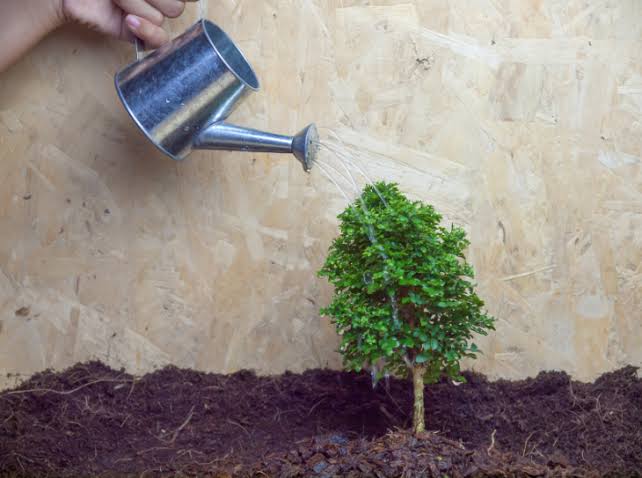
    Water is essential for healthy tree development. Young trees generally require more frequent watering because their root systems are still becoming established.

    Mature trees may also need additional moisture during extended dry periods.

    Water slowly around the root zone and monitor soil moisture before watering again. Avoid excessive irrigation because waterlogged soil can damage roots.

    Prune Trees Responsibly

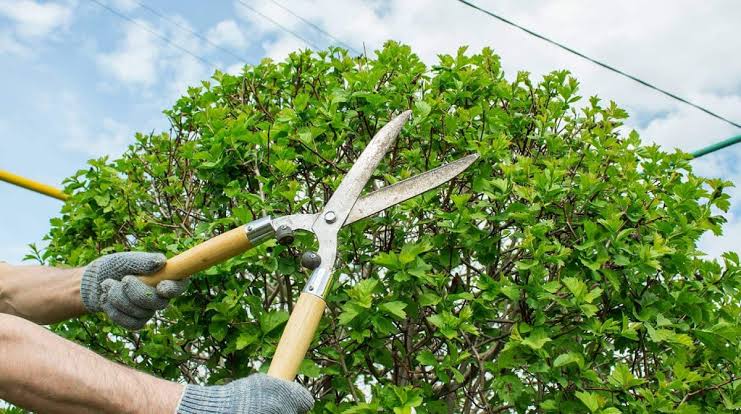
    Pruning helps maintain tree structure and removes dead, damaged, or diseased branches.

    Regular inspections can identify branches that require attention before they create additional problems.

    Use appropriate pruning techniques and avoid removing excessive healthy foliage. Large branches and complicated pruning projects should be managed by qualified arborists.

    Monitor Tree Health Throughout the Year

    Trees can experience problems caused by insects, fungal diseases, environmental stress, and physical damage.

    Look for unusual leaf discolouration, premature leaf loss, damaged bark, and abnormal branch development.

    Early professional diagnosis helps identify suitable treatment options.

    Protect Trees During Property Improvements

    Construction and landscaping projects can damage established tree roots.

    Before digging, installing pathways, or changing ground levels, consider the location of nearby root systems.

    Protecting roots from unnecessary disturbance helps maintain tree stability and long-term health.

    Conclusion

    Maintaining healthy trees requires suitable soil conditions, proper watering, responsible pruning, and regular inspections. By following these essential practices, property owners can protect their trees, improve landscape appearance, and create healthier outdoor environments.

  • Professional Arborist Services for Healthy Trees

    Professional Arborist Services for Healthy Trees

    Trees are an important part of residential, commercial, and public landscapes. They provide shade, improve air quality, support wildlife, and create attractive outdoor environments. However, maintaining healthy trees requires proper knowledge and regular attention. Professional arborist services help property owners protect their trees through expert inspections, maintenance, and responsible management.

    Understanding the Role of an Arborist

    An arborist is a trained professional who specializes in tree health, maintenance, and management. Arborists understand tree biology, growth patterns, structural development, and common tree diseases.

    Their expertise helps identify problems that may not be obvious during ordinary garden inspections. They can also recommend suitable maintenance practices based on tree species, age, and environmental conditions.

    Professional Tree Health Inspections

    Regular inspections are essential for identifying potential tree problems. Arborists examine trunks, branches, leaves, and root conditions to determine whether trees are healthy.

    They look for damaged bark, fungal growth, unusual leaning, dead branches, and signs of pest activity. Early identification allows property owners to arrange suitable treatment before problems become more serious.

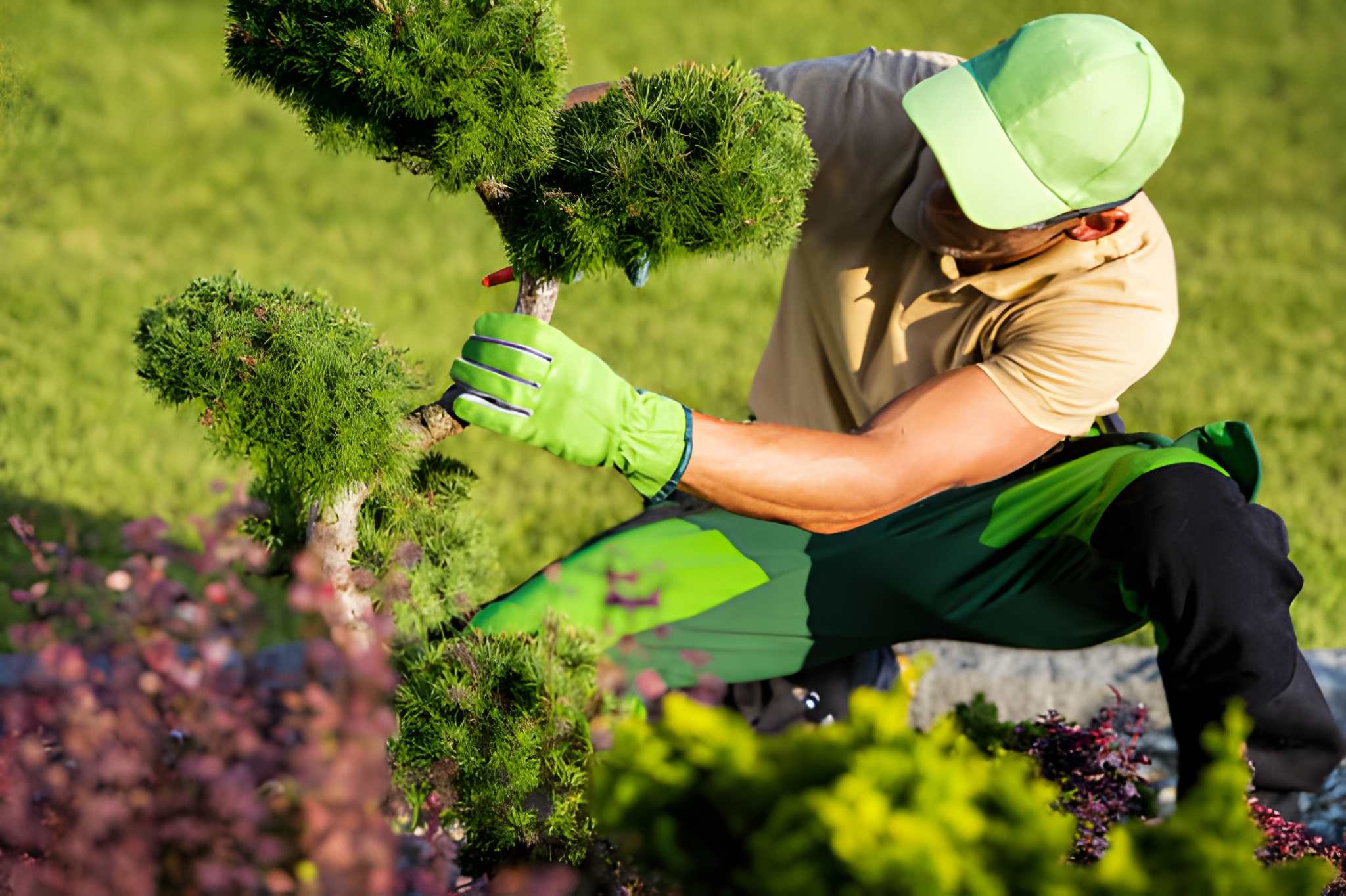
    Expert Tree Pruning and Trimming

    Pruning helps maintain healthy tree structures and removes damaged or diseased branches. Professional arborists understand how to make appropriate cuts while protecting the natural growth pattern of trees.

    Proper trimming also helps maintain clearance around buildings, pathways, and other structures.

    Tree Disease Management

    Trees can experience different diseases caused by fungi, bacteria, pests, and environmental stress.

    Arborists can assess unusual symptoms and recommend appropriate management solutions. Depending on the condition, treatment may involve improving soil conditions, modifying watering practices, or applying suitable professional treatments.

    Safe Tree Removal Services

    Sometimes tree removal becomes necessary because of severe structural damage, extensive decay, or an unacceptable safety risk.

    Professional arborists can assess whether removal is required and manage complicated projects using appropriate equipment and safety procedures.

    Tree preservation should always be considered whenever practical.

    Developing Long-Term Maintenance Plans

    A professional tree maintenance plan helps property owners manage their landscapes more effectively.

    It may include scheduled inspections, selective pruning, disease monitoring, soil management, and seasonal maintenance recommendations.

    Conclusion

    Professional arborist services play an important role in maintaining healthy and attractive landscapes. Through expert inspections, responsible pruning, disease management, and informed maintenance planning, arborists help protect trees and improve outdoor environments for years to come.

  • Commercial Tree Care for Business Properties

    Commercial Tree Care for Business Properties

    Trees play an important role in creating attractive and welcoming commercial environments. Office buildings, shopping centres, hotels, schools, and business parks often use landscaping to improve their surroundings. Proper commercial tree care helps maintain these landscapes while supporting safety, environmental quality, and professional property presentation.

    Why Commercial Tree Maintenance Matters

    Well-maintained trees improve the visual appeal of business properties. They provide shade, reduce direct sunlight, and create more comfortable outdoor spaces for employees, customers, and visitors.

    However, neglected trees may develop damaged branches, disease problems, or structural weaknesses that require professional attention.

    Regular maintenance helps businesses protect their landscaping investments.

    Planning Tree Maintenance Activities

    Commercial properties often contain multiple tree species with different maintenance requirements.

    A structured maintenance plan should include inspections, suitable pruning, soil management, and monitoring for pests and diseases.

    Maintenance schedules should consider seasonal changes, property usage, and the location of trees near buildings or pedestrian areas.

    Maintaining Trees Near Buildings

    Trees growing near commercial buildings may require occasional branch management to maintain suitable clearance.

    Branches should be inspected for damage, excessive growth, and interference with lighting, signage, and pathways.

    Large branches and work near electrical infrastructure require appropriately qualified professionals.

    Supporting Healthy Commercial Landscapes

    Healthy soil and appropriate watering practices are essential for maintaining commercial trees.

    Mulching helps conserve soil moisture, while suitable organic materials can improve growing conditions.

    Irrigation schedules should account for tree species, local climate, soil type, and rainfall.

    Preventing Pests and Diseases

    Commercial landscapes may contain many trees, making regular inspections particularly important.

    Watch for unusual leaf discolouration, damaged bark, fungal growth, and signs of insect activity.

    Early professional diagnosis can help prevent problems from spreading between nearby trees.

    Hiring Professional Commercial Tree Services

    Professional arborists can provide tree inspections, pruning, disease management, and maintenance recommendations.

    They also help businesses identify potential hazards and organize appropriate maintenance activities.

    Working with experienced specialists supports better landscape management and reduces the likelihood of unexpected tree-related problems.

    Conclusion

    Commercial tree care is an important part of maintaining attractive and responsible business environments. Regular inspections, proper watering, professional pruning, and effective disease monitoring help protect commercial landscapes. With a consistent maintenance strategy, businesses can create greener, healthier, and more welcoming properties.

  • Expert Tree Trimming for Safe Outdoor Spaces

    Expert Tree Trimming for Safe Outdoor Spaces

    Expert Tree Trimming for Safe Outdoor Spaces

    Trees add natural beauty, shade, and environmental value to residential and commercial properties. However, uncontrolled branch growth can sometimes create problems around buildings, roads, gardens, and outdoor living areas. Professional tree trimming helps maintain attractive landscapes while supporting healthy tree development and improving outdoor safety.

    Understanding the Importance of Tree Trimming

    Tree trimming involves selectively cutting branches to maintain the shape, size, and overall condition of a tree. It helps manage excessive growth, improve clearance, and remove branches that interfere with nearby structures.

    Regular trimming also allows property owners to maintain a neat and organized outdoor environment. However, every tree has different requirements, so trimming should be planned according to its species and condition.

    Removing Unwanted Branches

    Dead, broken, and diseased branches should be identified during routine inspections. These branches may become hazardous, particularly during strong winds or heavy rainfall.

    Removing damaged growth can also prevent certain diseases from spreading into healthier parts of the tree. Professional arborists understand how to make appropriate cuts without causing unnecessary injury.

    Improving Sunlight and Air Circulation

    Overcrowded branches can reduce airflow and sunlight penetration within the canopy. Selective trimming helps create a healthier branch arrangement.

    Better airflow allows foliage to dry more efficiently after rainfall, potentially reducing conditions that encourage certain fungal diseases.

    Maintaining Clearance Around Buildings

    Branches growing close to roofs, windows, fences, and pathways may require attention. Proper clearance helps reduce physical interference and makes outdoor areas easier to maintain.

    Trees near electrical wires should only be managed by appropriately qualified professionals working with the relevant utility provider.

    Choosing the Right Time for Trimming

    The best trimming period depends on tree species, climate, and the purpose of the work. Some trees benefit from pruning during dormancy, while others require different seasonal approaches.

    Understanding the tree’s growth cycle helps reduce unnecessary stress and supports healthier recovery.

    Hiring Experienced Tree Trimming Specialists

    Professional tree specialists have the experience and equipment required to handle complicated trimming projects. They can assess branch conditions, recommend suitable cutting techniques, and identify potential structural concerns.

    Hiring trained professionals is particularly important when working with mature trees or branches located at significant heights.

    Conclusion

    Professional tree trimming is an effective way to maintain healthy trees and attractive outdoor spaces. Regular inspections, selective branch removal, and suitable maintenance schedules help improve tree structure and reduce potential hazards. Responsible trimming ensures that trees remain valuable features of residential and commercial landscapes.Trees add natural beauty, shade, and environmental value to residential and commercial properties. However, uncontrolled branch growth can sometimes create problems around buildings, roads, gardens, and outdoor living areas. Professional tree trimming helps maintain attractive landscapes while supporting healthy tree development and improving outdoor safety.

    Understanding the Importance of Tree Trimming

    Tree trimming involves selectively cutting branches to maintain the shape, size, and overall condition of a tree. It helps manage excessive growth, improve clearance, and remove branches that interfere with nearby structures.

    Regular trimming also allows property owners to maintain a neat and organized outdoor environment. However, every tree has different requirements, so trimming should be planned according to its species and condition.

    Removing Unwanted Branches

    Dead, broken, and diseased branches should be identified during routine inspections. These branches may become hazardous, particularly during strong winds or heavy rainfall.

    Removing damaged growth can also prevent certain diseases from spreading into healthier parts of the tree. Professional arborists understand how to make appropriate cuts without causing unnecessary injury.

    Improving Sunlight and Air Circulation

    Overcrowded branches can reduce airflow and sunlight penetration within the canopy. Selective trimming helps create a healthier branch arrangement.

    Better airflow allows foliage to dry more efficiently after rainfall, potentially reducing conditions that encourage certain fungal diseases.

    Maintaining Clearance Around Buildings

    Branches growing close to roofs, windows, fences, and pathways may require attention. Proper clearance helps reduce physical interference and makes outdoor areas easier to maintain.

    Trees near electrical wires should only be managed by appropriately qualified professionals working with the relevant utility provider.

    Choosing the Right Time for Trimming

    The best trimming period depends on tree species, climate, and the purpose of the work. Some trees benefit from pruning during dormancy, while others require different seasonal approaches.

    Understanding the tree’s growth cycle helps reduce unnecessary stress and supports healthier recovery.

    Hiring Experienced Tree Trimming Specialists

    Professional tree specialists have the experience and equipment required to handle complicated trimming projects. They can assess branch conditions, recommend suitable cutting techniques, and identify potential structural concerns.

    Hiring trained professionals is particularly important when working with mature trees or branches located at significant heights.

    Conclusion

    Professional tree trimming is an effective way to maintain healthy trees and attractive outdoor spaces. Regular inspections, selective branch removal, and suitable maintenance schedules help improve tree structure and reduce potential hazards. Responsible trimming ensures that trees remain valuable features of residential and commercial landscapes.

  • Essential Tree Care for Thriving Natural Landscapes

    Essential Tree Care for Thriving Natural Landscapes

    Trees play a vital role in creating a healthy and balanced environment. They provide fresh air, reduce surrounding temperatures, protect soil, and create natural habitats for birds and insects. In residential gardens, commercial properties, and public parks, healthy trees add beauty and long-term environmental value. However, maintaining their health requires consistent care, proper planning, and attention to changing environmental conditions.

    Creating the Right Growing Environment

    A suitable growing environment is essential for healthy tree development. Before planting, it is important to evaluate soil quality, sunlight exposure, drainage, and available space. Trees planted in unsuitable locations may experience restricted root growth, poor development, and unnecessary stress.

    Selecting species that naturally adapt to local weather conditions can improve survival rates and reduce maintenance requirements. Proper planting techniques also help young trees establish strong roots.

    Understanding the Importance of Root Protection

    Tree roots provide stability and absorb the water and nutrients needed for growth. Although roots are mostly hidden beneath the ground, they require considerable attention.

    Avoid unnecessary digging, soil compaction, and construction activities near established trees. Heavy equipment and repeated vehicle movement can damage important roots and reduce the tree’s ability to absorb moisture.

    Maintaining suitable soil conditions around the root zone helps support healthy development and long-term stability.

    Keeping Tree Canopies Balanced

    A healthy canopy allows trees to receive sunlight and maintain normal growth. Overcrowded, damaged, or dead branches can affect the tree’s structure and appearance.

    Selective pruning helps remove unhealthy growth while maintaining the natural shape of the canopy. It can also improve clearance around buildings and pathways.

    Pruning requirements vary between tree species, so it is important to follow appropriate seasonal and arboricultural guidelines. Avoid unnecessary topping because it can seriously damage tree structure.

    Maintaining Soil Moisture and Nutrients

    Trees need a balanced supply of moisture and nutrients to remain healthy. Soil conditions should be monitored regularly, particularly during prolonged dry weather.

    Organic compost can improve soil structure when additional organic matter is needed. Mulching is another effective method for conserving moisture and protecting the root zone.

    Watering should be adjusted according to the tree’s age, species, soil type, and weather conditions. Proper drainage is equally important because waterlogged soil can cause root problems.

    Identifying Early Signs of Tree Damage

    Regular tree inspections help detect problems before they become severe. Common warning signs include cracked branches, damaged bark, fungal growth, unusual leaf discolouration, and premature leaf loss.

    Storms and strong winds can also weaken branches or affect tree stability. Damaged or potentially hazardous trees should be inspected by qualified arborists who can recommend appropriate maintenance.

    Making Tree Care Part of Sustainable Living

    Tree maintenance is an important part of responsible environmental management. Preserving mature trees, planting suitable native species, conserving water, and protecting wildlife habitats all contribute to healthier communities.

    Homeowners and businesses can make a positive difference by including tree care in their regular property maintenance plans.

    Conclusion

    Healthy landscapes depend on trees that receive proper attention throughout their lives. From root protection and soil improvement to canopy maintenance and regular inspections, every aspect of tree care contributes to long-term growth. Responsible maintenance not only protects individual trees but also improves the environment and creates beautiful outdoor spaces for future generations.

  • Smart Tree Care Practices for Every Season

    Smart Tree Care Practices for Every Season

    Trees are an essential part of a healthy environment. They provide shade, improve air quality, reduce soil erosion, and make outdoor spaces more attractive. However, keeping trees healthy requires proper maintenance throughout the year. Seasonal tree care practices help protect trees from environmental stress, diseases, and structural damage.

    Understanding Seasonal Tree Requirements

    Every season brings different challenges for trees. Temperature changes, rainfall, sunlight, and soil moisture can influence their growth. Understanding these seasonal changes allows property owners to provide suitable care at the right time.

    Regular observation is important because early identification of problems can prevent long-term damage.

    Spring Tree Care

    Spring is an important period for tree development. New leaves and branches begin to grow, making it a suitable time to inspect trees for winter damage.

    Remove fallen branches and check for damaged areas. Monitor new growth for unusual discolouration or signs of disease. Applying suitable organic mulch can also improve soil moisture retention.

    Summer Tree Protection

    During summer, high temperatures and limited rainfall can place trees under stress. Young trees are particularly vulnerable to moisture shortages.

    Water trees deeply when necessary, especially during extended dry periods. Protect the root area with organic mulch and monitor foliage for signs of dehydration or pest activity.

    Autumn Maintenance

    Autumn is an excellent opportunity to prepare trees for colder weather. Inspect branches for damage and remove dead or diseased growth where appropriate.

    Fallen leaves can be collected and composted to support healthy soil. Avoid unnecessary pruning that could interfere with the tree’s natural preparation for winter.

    Winter Tree Management

    Winter provides an opportunity to assess tree structure when deciduous trees have lost their leaves. Damaged branches and structural weaknesses may become easier to identify.

    Professional inspections can help determine whether any maintenance is necessary. Protecting young trees from harsh weather conditions can also support their continued development.

    The Value of Professional Tree Services

    Professional arborists understand the maintenance requirements of different tree species. They can identify potential hazards, recommend suitable pruning schedules, and provide effective solutions for tree health problems.

    Hiring experienced specialists is particularly important for large trees and work involving elevated branches.

    Conclusion

    Seasonal tree care is essential for maintaining strong, attractive, and healthy trees. By adjusting maintenance practices according to changing weather conditions, property owners can protect their landscapes and encourage long-term tree growth.

    Article 5: Sustainable Tree Care for a Greener Environment

    Trees play a significant role in protecting the natural environment. They absorb carbon dioxide, release oxygen, provide habitats for wildlife, and contribute to biodiversity. Sustainable tree care focuses on maintaining these environmental benefits while ensuring trees receive the attention they need to thrive.

    What Is Sustainable Tree Care?

    Sustainable tree care involves using environmentally responsible methods to maintain trees and surrounding landscapes. It focuses on protecting existing trees, reducing unnecessary waste, conserving water, and supporting natural soil health.

    Rather than relying on excessive chemical treatments or unnecessary tree removal, sustainable practices encourage healthy growth through proper maintenance.

    Protecting Existing Trees

    Preserving mature trees is one of the most effective ways to maintain a healthy landscape. Established trees provide valuable shade, improve local air quality, and support birds and other wildlife.

    Before making changes to a garden or property, consider how construction, landscaping, and excavation activities may affect nearby tree roots.

    Protecting root systems is particularly important because damaged roots can affect a tree’s stability and ability to absorb nutrients.

    Using Organic Soil Improvements

    Healthy soil supports strong root development and provides essential nutrients. Compost and other suitable organic materials can improve soil structure and encourage beneficial microorganisms.

    Organic mulch is another useful option. It helps conserve water, regulate soil temperature, and reduce weed growth.

    These methods can improve growing conditions while reducing dependence on synthetic products.

    Conserving Water Resources

    Water conservation is an important part of sustainable landscaping. Collecting rainwater, using efficient watering methods, and selecting suitable tree species can reduce unnecessary water consumption.

    Native and locally adapted trees are often better suited to regional climate and soil conditions. They may require less additional maintenance once established.

    Supporting Wildlife and Biodiversity

    Trees provide shelter, nesting locations, and food sources for many living organisms. Maintaining a variety of suitable tree species can encourage biodiversity.

    Avoiding unnecessary pesticide use and preserving natural habitats can also help protect beneficial insects and wildlife.

    Responsible Tree Pruning

    Sustainable pruning focuses on maintaining natural tree structure while removing only branches that genuinely require attention.

    Excessive cutting can weaken trees and create unnecessary waste. Where possible, suitable removed branches and organic material can be recycled into mulch or compost.

    Conclusion

    Sustainable tree care helps protect the environment while maintaining beautiful and healthy landscapes. Through responsible pruning, water conservation, organic soil management, and tree preservation, property owners can make a positive contribution to environmental protection.

    Article 6: Effective Tree Care Solutions for Property Owners

    Healthy trees improve the appearance, value, and environmental quality of residential and commercial properties. However, trees require regular attention to remain safe and attractive. Effective tree care solutions help property owners prevent common problems while supporting healthy growth.

    Evaluate Tree Health Regularly

    Regular tree assessments help identify potential issues before they become serious. Examine trunks, branches, leaves, and surrounding soil for unusual changes.

    Common warning signs include cracked bark, discoloured leaves, dead branches, fungal growth, and visible pest activity.

    If a tree shows signs of structural weakness, consult a qualified arborist for a professional assessment.

    Maintain Proper Tree Spacing

    Trees need adequate space to develop healthy roots, branches, and foliage. Planting trees too close together can create competition for sunlight, water, and nutrients.

    Before planting, consider the mature height and width of the selected species. Also consider nearby buildings, underground utilities, pathways, and overhead cables.

    Choosing the correct planting location can prevent future maintenance difficulties.

    Improve Soil and Root Conditions

    Healthy roots are essential for strong tree development. Soil compaction, poor drainage, and restricted root growth can negatively affect tree health.

    Avoid parking vehicles or storing heavy materials over important root areas. Improving drainage and adding appropriate organic materials can also support better growing conditions.

    Schedule Professional Pruning

    Pruning helps remove damaged branches, improve tree structure, and maintain clearance around buildings and walkways.

    The correct pruning approach depends on the tree species, age, and condition. Professional arborists can determine which branches should be removed and when pruning is most appropriate.

    Manage Pests and Diseases

    Insects and diseases can affect leaves, branches, bark, and roots. Regular monitoring helps identify infestations and infections before they become widespread.

    Professional diagnosis is recommended when symptoms are unclear. Targeted treatment is generally preferable to unnecessary pesticide applications.

    Plan for Long-Term Tree Maintenance

    A proper maintenance schedule makes tree care easier and more effective. Property owners should plan regular inspections, appropriate watering, seasonal maintenance, and occasional professional assessments.

    Keeping records of previous treatments and visible changes can also help identify developing problems.

    Conclusion

    Effective tree care combines regular inspections, proper planting, soil improvement, careful pruning, and responsible pest management. By following these practices, property owners can maintain attractive landscapes, reduce potential hazards, and support healthier trees for many years.

  • Nurturing Nature for a Greener Tomorrow

    Nurturing Nature for a Greener Tomorrow

    Trees are among the most valuable natural resources on our planet. They provide fresh air, improve environmental quality, support wildlife, and make outdoor spaces more attractive. However, trees need proper attention and regular maintenance to remain healthy, strong, and beautiful. Tree care is not simply about watering plants or trimming branches; it involves a combination of essential practices that support long-term growth and prevent potential problems.

    1. Understanding the Importance of Tree Care

    Healthy trees play an important role in maintaining environmental balance. They absorb carbon dioxide, release oxygen, reduce air pollution, and provide natural shade. In urban areas, trees also help lower surrounding temperatures and improve the overall appearance of residential and commercial properties.

    Proper tree care protects these benefits while increasing the lifespan of trees. Regular maintenance also helps identify diseases, damaged branches, and structural weaknesses before they become serious concerns.

    2. Regular Pruning for Healthy Growth

    Pruning is one of the most important aspects of tree maintenance. It involves carefully removing dead, damaged, diseased, or overcrowded branches. Proper pruning improves air circulation, allows sunlight to reach different parts of the tree, and encourages healthy development.

    It is important to prune trees at the appropriate time of year, depending on their species and condition. Excessive pruning should be avoided because removing too many branches can weaken a tree and affect its natural growth pattern. For large trees or complex pruning work, professional assistance is recommended.

    3. Proper Watering and Soil Management

    Water plays a vital role in maintaining healthy trees. Young trees generally require more frequent watering as their root systems become established. Mature trees may need additional watering during extended dry periods.

    Deep and slow watering encourages roots to grow further into the soil, making trees more resilient. Soil quality is equally important. Adding organic mulch around the base helps retain moisture, regulate soil temperature, and reduce weed growth. Mulch should be kept away from direct contact with the tree trunk to prevent moisture-related damage.

    4. Identifying Tree Diseases and Pests

    Trees can become vulnerable to insects, fungal infections, and environmental stress. Common warning signs include discoloured leaves, unusual spots, peeling bark, premature leaf loss, and dying branches.

    Regular inspections help identify these issues at an early stage. Prompt treatment can prevent diseases from spreading and protect nearby plants. Choosing appropriate treatments and maintaining good growing conditions are essential for effective tree health management.

    5. Protecting Trees Through Seasonal Maintenance

    Every season brings different challenges for trees. Spring is suitable for checking new growth and identifying winter damage. Summer requires careful watering and monitoring for pests. During autumn, removing fallen debris and inspecting branches can prepare trees for colder weather. Winter is an opportunity to assess tree structure and identify potentially hazardous limbs.

    Seasonal maintenance ensures that trees receive the attention they need throughout the year.

    6. Why Professional Tree Care Matters

    Professional arborists have the knowledge, experience, and equipment required to manage complex tree care tasks safely. They can assess tree health, recommend suitable pruning methods, identify potential hazards, and provide guidance on long-term maintenance.

    Conclusion

    Tree care is an essential investment in a healthier environment and a more attractive landscape. Through regular pruning, proper watering, soil improvement, disease prevention, and seasonal inspections, trees can remain healthy and strong for many years. Taking care of trees today helps create a greener, safer, and more sustainable future for generations to come.

  • Hello world!

    Welcome to WordPress. This is your first post. Edit or delete it, then start writing!

  • Making Property Cleanups Easier With Professional Dumpster Rentals

    I have spent several years coordinating residential renovations, property cleanouts, and small construction projects throughout South Florida. During that time, I have learned that waste removal can influence the entire schedule of a project, especially when several workers are producing debris at the same time. Fort Lauderdale has a variety of property types, from older residential homes to commercial buildings and modern apartment complexes, so disposal requirements can change from one job to another. I prefer arranging a suitable dumpster before work begins because it gives everyone a practical place to put unwanted materials.

    Understanding the Waste Removal Needs of Each Project

    I never assume that two cleanup projects will produce the same amount of waste. A homeowner replacing kitchen cabinets may only need a smaller container, while someone renovating an entire property could generate several loads of construction debris. I normally ask about the number of rooms, the type of materials being removed, and the expected project duration before making a recommendation. These details help me avoid ordering a container that fills up too quickly.

    Last summer, I helped coordinate a residential renovation where the homeowner initially expected to remove only old flooring and damaged furniture. Once the workers started clearing the rooms, they discovered additional drywall, wooden frames, and outdated fixtures that also needed disposal. The original container estimate was no longer suitable, so I reviewed the expected debris volume before arranging the next step. That experience reminded me why I prefer discussing the full scope of work before scheduling waste removal.

    Residential cleanouts usually involve a mixture of household materials. I commonly see unwanted mattresses, broken furniture, cardboard boxes, old shelving, and damaged appliances during these projects. Construction work creates different challenges because drywall, timber, concrete, and roofing materials can become heavy very quickly. I always consider the material type instead of judging the required container size by appearance alone.

    Finding a Suitable Dumpster Rental Provider

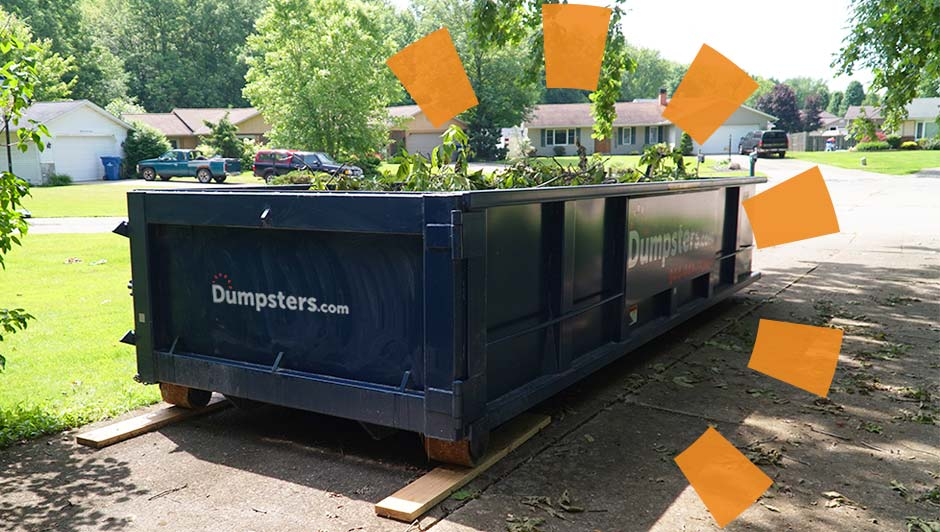
    I pay close attention to the rental conditions before recommending a provider for a project. Delivery availability, container dimensions, included rental days, disposal weight limits, and additional charges can all influence the overall cost. For local cleanup projects, Fort Lauderdale dumpster rentals are an option worth considering when arranging waste removal for homes, renovation sites, and commercial properties. I recommend checking the service details and confirming the rental terms before making a reservation.

    Container placement is another subject I discuss before delivery. Some Fort Lauderdale homes have narrow driveways, limited parking areas, or landscaping that leaves little room for a large container. I usually suggest measuring the available space and checking the truck’s access route before confirming the delivery location. This prevents unnecessary problems on the scheduled arrival day.

    I also consider the rental period carefully. A professional renovation crew might complete a small demolition job within three days, while a homeowner handling the same work during weekends may need considerably longer. I prefer selecting a rental period that matches the actual working schedule. Customers should ask about extension charges in case the project takes longer than expected.

    Communication with the provider matters throughout the rental. I like to know how collection requests are handled and whether advance notice is required. If the container becomes full before the scheduled pickup, having a clear contact process can help prevent interruptions. I also confirm whether an early collection is available if the cleanup finishes ahead of schedule.

    Choosing Between Different Dumpster Sizes

    I usually discuss four common container sizes with customers: 10-yard, 15-yard, 20-yard, and 30-yard dumpsters. A 10-yard container may suit a garage cleanup or a small bathroom renovation, depending on the material involved. A 15-yard or 20-yard option can provide additional capacity for flooring removal, household cleanouts, and medium renovation projects. Larger construction jobs may require a 30-yard container or another suitable option offered by the rental company.

    Size is only part of the decision. I have seen customers underestimate the weight of broken concrete, bricks, roofing shingles, and ceramic tiles because these materials do not always occupy much space. A container can reach its permitted weight before it looks completely full. I advise checking the weight allowance before loading heavy construction debris.

    For a kitchen renovation, I might estimate the space needed for cabinets, countertops, flooring, and packaging materials. If the project includes removing walls or replacing several sections of drywall, I reconsider that estimate. I would rather arrange sufficient capacity at the beginning than interrupt the work because the container is full. Every project deserves an estimate based on its actual requirements.

    Managing Construction Debris Without Delays

    I have worked with renovation crews that produced several different types of waste during a single working day. Old cabinets, damaged timber, drywall pieces, flooring, and empty material packaging can quickly occupy the available space. I encourage workers to move debris into the container regularly instead of allowing it to accumulate around the property. This keeps the work area accessible and reduces the risk of accidents.

    Breaking down large materials can help create additional room. I often recommend dismantling old cabinets and flattening cardboard boxes before placing them inside the dumpster. However, I never encourage workers to handle materials in a way that creates unnecessary safety risks. Sharp metal, broken glass, and exposed nails require extra care during loading.

    Roofing projects need a different disposal plan. Asphalt shingles can add considerable weight, even when the container does not appear full. I normally discuss the estimated roof area and the type of roofing material before selecting a dumpster. Contractors should confirm that the provider accepts roofing debris and that the permitted weight is suitable for the job.

    Concrete removal also requires careful planning. A driveway replacement or patio demolition can generate heavy material that may exceed the allowance of an ordinary household rental. I recommend asking about dedicated concrete disposal arrangements when dealing with large amounts of masonry. This avoids placing unsuitable loads into a container intended for lighter waste.

    Dumpster Rentals for Homeowners and Property Managers

    I find that homeowners often need temporary waste removal during major household changes. Moving to another property, preparing a house for sale, clearing an inherited home, or renovating several rooms can produce more unwanted material than expected. A rented dumpster gives the homeowner a convenient place to collect items during the cleanup. I normally suggest sorting reusable belongings before throwing everything away.

    Property managers have slightly different requirements. They may need to clear abandoned furniture, damaged fixtures, old carpets, and general maintenance debris from rental properties between tenants. I prefer discussing the expected workload and access arrangements before scheduling a container. This is especially useful when other residents or maintenance workers need to continue using the property.

    Commercial buildings also benefit from organized waste removal during renovations. A retail business might replace shelving, flooring, counters, and interior fixtures while trying to maintain normal operations. I usually recommend placing the dumpster away from customer entrances and delivery areas whenever the property allows it. A suitable location can make disposal easier without creating unnecessary disruption.

    I also consider the frequency of collection for larger projects. A single container may be enough for a short renovation, but an extended construction project could require scheduled exchanges. I discuss this possibility before work starts so the contractor can plan around delivery and pickup times. Keeping waste removal on schedule helps prevent debris from interfering with other trades.

    Dealing With Weather and Outdoor Conditions

    Working in South Florida means I always consider the weather before planning an outdoor cleanup. Heavy rain can interrupt landscaping work, roof repairs, and exterior renovations with little warning. An uncovered dumpster may collect water, which can increase its total weight and potentially affect disposal costs. I recommend asking the rental company about available covers and suitable precautions.

    Wind is another concern around open containers. Lightweight materials such as cardboard, plastic packaging, and insulation can easily scatter across a property during strong gusts. I encourage workers to secure loose debris and avoid leaving waste beside the dumpster overnight. Keeping the surrounding area clean also makes the property safer for other people.

    During rainy periods, I try to protect the driveway and nearby landscaping from unnecessary damage. Heavy delivery equipment and loaded containers can place pressure on certain surfaces, particularly decorative pavers or older driveways. I discuss placement precautions before delivery and consider protective boards where appropriate. The best solution depends on the property surface and the weight involved.

    Understanding Disposal Rules and Restricted Materials

    I always recommend checking the accepted material list before placing waste inside a rental container. Ordinary household junk and many construction materials may be accepted, but certain products require separate disposal arrangements. Paint, chemicals, batteries, tires, and some electronic equipment can fall under special handling requirements. I never assume that a standard dumpster can accept every type of discarded material.

    Hazardous waste deserves particular attention. During older property renovations, I sometimes encounter materials that require professional assessment before removal. I avoid disturbing suspicious substances and recommend contacting an appropriate specialist when necessary. This protects workers and prevents disposal problems.

    Recycling can also reduce the amount of material sent for general disposal. Cardboard, metal, and certain building materials may have separate recycling options depending on local facilities and provider arrangements. I prefer separating reusable and recyclable items whenever the project makes it practical. Customers should confirm the available options instead of assuming that everything in the container will be recycled automatically.

    Keeping the Property Ready for Dumpster Collection

    I start preparing for collection before the container is completely full. Workers should keep debris below the marked fill line and avoid placing materials where they could fall out during transportation. Heavy items should be distributed evenly throughout the container. An overloaded or uneven load can prevent the rental company from collecting it safely.

    Access is equally important. I make sure vehicles, trailers, tools, and construction materials are moved away from the truck’s approach before pickup. If the dumpster is positioned behind a gate, I confirm that the driver can access the area at the agreed time. These simple arrangements help avoid missed collections.

    After the container leaves, I usually inspect the surrounding property for loose nails, broken materials, and small pieces of debris. This final cleanup is especially useful after demolition or roofing work. I also check the driveway and nearby areas for any issues that may need attention. Leaving the site clean makes it easier to move forward with the next stage of the project.

    My experience with property renovations has taught me that waste removal deserves attention from the beginning rather than being treated as a last-minute task. I always recommend comparing rental conditions, estimating material weight, and checking delivery access before choosing a container. A suitable dumpster can make a demanding cleanup much easier to manage, particularly when several workers are involved. Careful planning gives me more control over the project and helps keep the property organized until the work is finished.