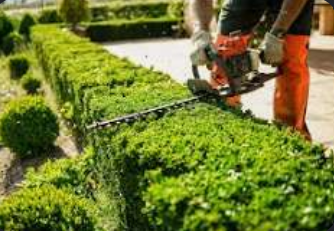
Trees are an essential part of our natural environment. They provide shade, improve air quality, support wildlife, and make outdoor spaces more attractive. From small garden trees to large forest plants, every tree contributes to a healthier ecosystem. However, trees cannot always survive and grow properly without suitable care. Regular maintenance, proper attention, and a healthy growing environment are necessary to keep trees strong throughout their lives.
1. Understand the Needs of Different Trees
Every tree has unique growing requirements. Some varieties need plenty of sunlight, while others grow better in shaded areas. Certain trees require frequent watering, whereas others can survive with limited moisture. Understanding the characteristics of a tree before planting helps prevent common maintenance problems. Choosing species suitable for the local climate and soil conditions is one of the best ways to encourage healthy growth.
2. Give Trees Enough Space
Trees need sufficient space above and below the ground. Their roots spread through the soil to collect water and nutrients, while their branches require room to develop naturally. Planting trees too close together can create competition for sunlight, water, and nutrients. Proper spacing also improves airflow and reduces the chances of certain diseases spreading between plants.
3. Use Organic Materials
Organic materials can make a significant difference in tree health. Compost, dried leaves, and suitable organic mulch improve soil conditions and support beneficial organisms. These materials gradually release nutrients into the soil and help maintain moisture. Organic gardening practices also reduce the need for unnecessary chemical products, creating a healthier environment for plants and surrounding wildlife.
4. Monitor Growth and Development
Observing a tree’s growth is an important part of maintenance. Healthy trees generally develop strong branches, fresh leaves, and stable trunks. Changes such as sudden leaf loss, weak growth, cracked bark, or unusual spots may indicate stress or disease. Keeping track of these changes allows tree owners to respond quickly and seek professional assistance when needed.
5. Prevent Physical Damage
Trees can be damaged by lawn equipment, construction work, animals, and careless human activities. Damaged bark can expose internal tissues and make trees more vulnerable to disease. Avoid hitting trunks with gardening tools and prevent unnecessary cutting of roots. Protective barriers can also help young trees avoid accidental damage from vehicles and animals.
6. Encourage Biodiversity Around Trees
A healthy outdoor environment supports more than just trees. Birds, butterflies, bees, and beneficial insects all contribute to a balanced ecosystem. Growing suitable flowering plants near trees can attract pollinators and support local wildlife. Avoid unnecessary pesticide use and maintain natural habitats wherever possible. A diverse landscape can help create a healthier and more resilient environment.
7. Seek Professional Tree Care
Some tree maintenance activities require specialized knowledge and equipment. Large-scale pruning, removing dangerous branches, treating serious diseases, and assessing unstable trees should be handled by trained professionals. Regular professional inspections can identify hidden problems and help prevent accidents.
Conclusion
Smart tree maintenance is about creating the right conditions for trees to thrive. Providing enough space, improving soil quality, preventing physical damage, and monitoring tree health can make a lasting difference. Trees deserve consistent care because they provide countless environmental benefits. By adopting responsible maintenance practices, individuals and communities can preserve natural beauty, protect biodiversity, and build a greener future.
Leave a Reply